



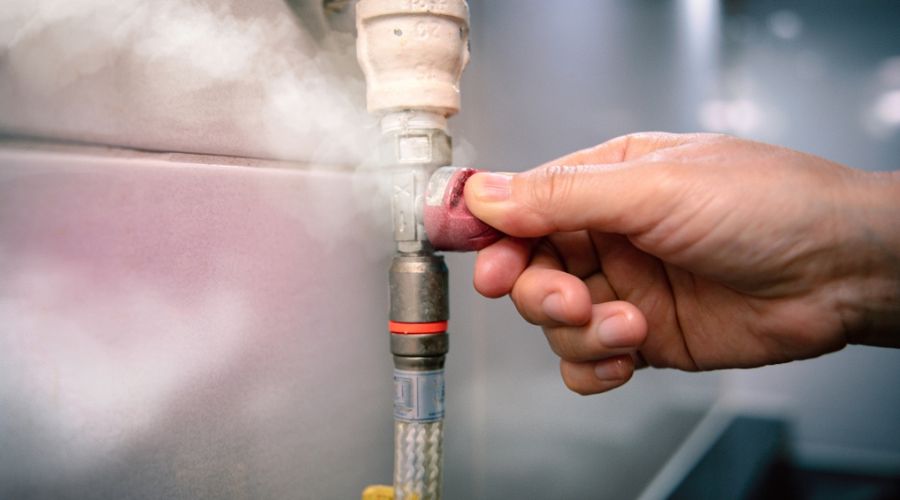
The silent threat of gas leaks in your home can disrupt your peace of mind and make simple joys like reading or spending time with family stressful. Concern over undetected leaks from kitchen stoves, aging water heaters, or older HVAC systems often leaves homeowners anxious about their family’s safety.
Understanding the common sources of gas leaks is the first step toward protecting your loved ones. By investigating where these leaks typically start and recognizing potential risk factors in your home, you can take targeted actions to prevent any hazards. This article compiles expert advice and practical tips so you can navigate this important aspect of home safety with confidence.
Common Sources of Household Gas Leaks
At the heart of gas safety in our homes are the appliances we rely on daily. Many leaks can originate from kitchen appliances like stoves, ovens, and cooktops, particularly when they experience poorly maintained connections or worn-out parts. It’s surprising how often a little oversight can lead to dangerous situations; for instance, a loose connection at the back of a stove can slowly seep gas without you even realizing it.
Regular checks and timely maintenance can save lives by preventing unpleasant surprises.
Another frequent source of concern is the water heater. Older models tend to be more susceptible to developing gas leaks due to failing seals or deterioration over time. If you have a water heater that’s seen better days, it’s worth considering a thorough inspection.
The same vigilance is needed with your furnace and HVAC systems; these essential units can develop leaks from aging hoses or valves as well. Leaks may be causing your heating system to work less efficiently in the winter.
Significant Risk Factors
Risk factors play an important role in understanding potential gas leaks in your home. Houses with older piping systems or those that haven’t been inspected professionally in years carry a heavier risk of gas leaks. For example, homes constructed before 1980 are particularly vulnerable because their infrastructure may have deteriorated significantly over time.
Homeowners must be aware of these risk factors so they can prioritize necessary updates and inspections.
Additionally, consider the implications of your home’s age: older fittings, pipes, and even appliances compound the risk. Research shows that nearly 70% of residential gas leak incidents occur in homes that are decades old, underscoring the importance of proactive maintenance.
Being aware of typical sources and significant risk factors will empower you to take action—be it through regular inspections or repairs—ultimately safeguarding your family’s health and well-being. This awareness serves as a foundation for exploring various technologies designed to detect gas leaks effectively.
Types of Gas Leak Detectors
Various gas leak detectors are crucial for identifying and preventing dangerous situations in your home. Each type is uniquely designed to detect specific gases, and knowing which one to use can save lives.
1. Natural Gas Detectors
Natural gas detectors are specifically designed to sense the presence of natural gas, primarily methane. These detectors need to be strategically placed since natural gas is lighter than air and will rise. Therefore, it is recommended to mount these detectors near ceilings, especially in rooms equipped with gas appliances like stoves or heaters. This ensures that they can detect any escaping gas promptly before it reaches dangerous concentrations.
2. Propane Detectors
In contrast, propane detectors are tailored to identify propane gas, which is heavier than air. As such, these detectors should be positioned near floor level or on lower walls. Homes that rely on propane tanks for fuel must take special care to incorporate this kind of detector. Proper placement is crucial because propane can accumulate low to the ground, creating a higher risk of fire or explosion if not detected quickly.
3. Combined detectors
For those seeking comprehensive safety, combined gas detectors that can sense both natural gas and propane provide an excellent solution. These detectors typically feature advanced technology that enhances overall protection by alerting homeowners to a wider range of potential hazards. With an understanding of the various types of gas leak detectors, it’s essential to consider correct installation methods that maximize their efficiency and effectiveness in safeguarding your home.
Installing a Detection System
For any gas leak detection system to be effective, proper installation is essential. First and foremost, you need to choose appropriate locations for your detectors. This means identifying areas at higher risk for gas leaks, such as the kitchen, where many gas appliances reside, as well as locations near furnaces or utility rooms where potential leaks may occur. Placements must align with the specific type of gas being detected; for instance, if you’re monitoring natural gas, detector placement near common appliances like stoves and water heaters is critical.
Mounting and Testing
It’s essential to strictly adhere to manufacturer guidelines while mounting your detectors. Each unit may have particular requirements, so reading the instruction manual carefully will enable you to place them optimally for performance.
Keep in mind that it’s important to put them at the correct height. For example, since propane sinks in the air and methane, the main component of natural gas is lighter than air, it should be mounted lower.
With proper installation and regular testing in place, you’re well on your way to enhancing your safety measures against gas leaks.
DIY Detection Precautions
When it comes to detecting gas leaks at home, it’s important to approach DIY detection with caution. Using a simple soap and water solution involves mixing these two common items and applying the mixture to your gas fittings. If you see any bubbles forming, you leak. This method is straightforward and cost-effective for minor checks. However, it’s crucial to understand that this technique has its limitations; it might not catch all leaks, especially smaller ones or those located in hard-to-reach places.
Investing in specialist handheld gas detectors might help you discover leaks more accurately. These devices offer benefits such as pinpointing leaks with precision and speed, but there’s a catch: they often require a basic understanding of how to interpret the readings correctly. While they are helpful tools, misinterpretation could lead to unnecessary concerns or, worse, overlooking a significant issue.
Engaging in DIY methods requires an awareness of safety measures. Always ensure that the area where you are working is well-ventilated, providing fresh air circulation throughout the space. Never light matches or smoke in areas where you suspect there may be a leak because even a tiny spark can cause catastrophic outcomes.
Additionally, protective equipment plays a vital role in your safety during these procedures. Wearing gloves can protect your skin from chemicals and dirt, while safety goggles safeguard your eyes from splashes of soapy water or other solutions. It’s all about being prepared; after all, the aim is to maintain a safe environment while checking for potential dangers around your home.
By implementing these DIY detection precautions and utilizing both simple methods and advanced tools wisely, you’re taking proactive steps toward ensuring safety at home.
Responding to Alerts
Knowing how to respond quickly and effectively when you become aware of a gas leak is essential to ensuring the safety of your household. The first critical step is to remain calm, as panic can hinder clear decision-making. As soon as you smell gas or hear a hissing noise, leave your house right away.
This rapid evacuation is vital because inhaling toxic fumes can cause serious health issues like dizziness or headaches. Ensure that all guests, including pets, exit swiftly.
Once you are safely outside, it’s crucial to maintain a safe distance from your home. If you’re close enough, you might hear the ominous sound of gas escaping—a sound that could signal imminent danger. Thus, it’s best not only to leave the immediate vicinity but to move to a neighbor’s house or a public area until help arrives.
Immediate Actions
After successfully evacuating, take a moment to assess your surroundings before making any calls. Use your cellphone or go to a safe location away from the house to call emergency services. It’s paramount not to use any electrical switches or appliances inside your home during this critical time; even the smallest spark could ignite leaked gas, creating disastrous consequences.
Contacting Professionals
Seek expert help right away after making sure everyone has left and is secure. Calling experts from Expert Plumbing & Water Heaters, Inc. should be your next step. We will guide you through the process and provide critical support in securing your home and assessing potential hazards left behind by the leak.
When calling professionals, clearly describe your situation and follow their guidance closely regarding re-entering your home.
By being prepared and knowing how to act in these situations, you’re already taking important steps toward safeguarding your family. Now, let’s look at how regular upkeep and assessments can further protect your home against unexpected dangers.
Protect Your Home with Trusted Professionals
Trust Expert Plumbing & Water Heaters, Inc. to detect and fix gas leaks, protecting your home and loved ones from the hidden hazards they pose. Whether you’re in Soquel, Ben Lomond, Felton, or the surrounding locations, our crew is ready to deliver prompt, competent service while keeping your safety in mind.
Don’t wait for a minor issue to escalate into a deadly situation; contact us at 831-480-6662 immediately to safeguard your home’s security and enjoy the peace of mind that comes with dealing with qualified, experienced professionals.
