



When planning a bathroom remodel, missing key plumbing considerations can spell trouble down the road. Imagine embarking on what seems like a straightforward update, only to uncover rusted pipes leaking behind the walls—a discovery that could derail your project and blow your budget.
To avoid such pitfalls, it’s essential to conduct a thorough assessment of your current plumbing system before diving in. Regulations governing bathroom plumbing must also be considered, ensuring your remodel is both safe and up to code. By paying attention to these critical factors early on, you can make informed decisions that enhance both aesthetics and functionality while staying within budget.
Assessing Your Plumbing Needs
We should begin by taking a close look at our existing plumbing system. This step is essential, as it not only identifies problem areas but also informs our decisions moving forward.
We’ll want to start with the basics—being on the lookout for signs of leaks, low water pressure, or clogs that might need immediate attention. Detecting these issues early can save us from more significant headaches down the line.
For example, during one of our remodeling projects in Soquel, we discovered outdated lead pipes while addressing various plumbing needs. Recognizing these aging pipes allowed us to act swiftly; we replaced them before they posed any health risks. Understanding the condition of our existing pipes can help us determine whether we require a full overhaul of the plumbing system or if minor adjustments and repairs will fulfill our needs.
It’s important to note that beyond just leaks and clogs, other factors can indicate deeper issues within our plumbing network, such as unexplained spikes in water bills or unusually damp spots on walls or ceilings.
As we evaluate the state of our plumbing, it’s also imperative to consider the layout of our existing fixtures. Are sinks and toilets properly placed to allow for effective water flow? Do they comply with our usage patterns? Often, homeowners are surprised by how much they could improve efficiency simply by rethinking fixture placement. To improve accessibility, consider moving a toilet slightly or adjusting the positioning of a showerhead.
Additionally, we should pay attention to our water supply lines and drainage systems. Checking for rust or corrosion in metal pipes can dramatically decrease water quality. If we uncover any concerns regarding pipe integrity, we must weigh the benefits and implications of replacing these sections preemptively.
Once we’ve assessed our plumbing infrastructure, we’ll turn our attention to the local regulations governing bathroom plumbing.
Understanding these regulations is essential because they dictate various aspects such as required pipe sizes, permissible connections, and minimum spacing standards for fixtures. Adhering to these codes not only ensures that our work is safe but also maintains legal compatibility with state and local laws.
Reaching out to the professionals at Expert Plumbing & Water Heaters, Inc. in Soquel & Santa Cruz County can provide invaluable guidance in navigating local codes effectively. We can avoid costly mistakes down the line and ensure that our remodeling project runs smoothly from start to finish.
Choosing Bathroom Fixtures and Materials
Selecting the right fixtures and materials impacts both the aesthetics and functionality of our bathroom. We must think beyond mere appearances; it’s about creating a space that feels right for our needs. For instance, high-quality faucets, showerheads, and bathtubs from reputable brands not only enhance visual appeal but also offer reliability and durability that cheaper alternatives often lack.
- Faucets: When choosing faucets, we might consider touchless models or single-handle options that provide ease of use and can make a small but significant difference in daily routines.
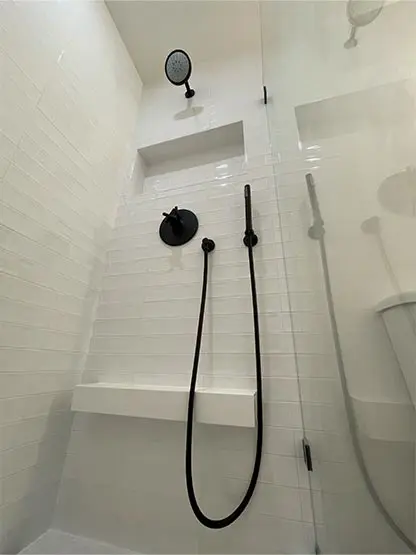
- Showers: Installing rainfall showerheads can transform a standard shower into a spa-like experience—something we all deserve after a long day.
- Toilets: Opting for low-flow toilets not only conserves water but also reduces utility bills over time—an excellent decision for both our wallet and the environment.
After making decisions on the fixtures, we can turn our attention to the materials that complement them.
The materials we choose are just as essential as the fixtures themselves, as they significantly impact durability and maintenance requirements. For example, porcelain tiles have become popular due to their water resistance and ease of cleaning, making them a practical choice for bathroom floors and walls.
Natural stone, on the other hand, exudes a certain luxury. It gives our room a beautiful touch, but it needs more maintenance than porcelain. This is a distinction worth noting: investing in premium materials may cost more upfront but can save us money in repairs and replacements over time.
Professional vs. DIY Bathroom Remodeling
When we embark on a bathroom remodeling project, the option to do it ourselves or hire professionals weighs heavily on many of us. The desire to save money might tempt us to opt for a DIY approach, especially with various online tutorials that make it seem feasible.
However, it’s essential to recognize the delicate balance between cost-saving and quality assurance. Diving into a project without sufficient expertise can transform what initially seems like a straightforward update into an overwhelming task filled with headaches—and possibly significant expenses when things go wrong.
There’s undeniably a thrill in DIY; we find satisfaction in rolling up our sleeves and creating something from scratch. Yet, any remodeling project brings its own set of complexities. Plumbing is not only about aesthetics; it involves understanding how systems interact within our home.
For instance, rerouting pipes or adjusting water pressure isn’t just intricate—it’s critical. These tasks, which might appear simple at first glance, often require a level of skill that professional plumbers possess. A misstep could result in unforeseen water damage or compliance issues with local codes.
Designing the Plumbing System
A well-structured plumbing system is essential to achieving a functional and efficient bathroom. We must start by considering the overall layout of our space, as it heavily influences the plumbing design. When we plan the locations of major fixtures like toilets, sinks, and showers, we create an optimal flow that enhances usability while avoiding any congestion. For instance, placing toilets near existing soil pipes not only saves on labor costs but also facilitates easier drainage.
Fixture Placement
We must think about each fixture’s location with practical usage in mind. Sinks should be comfortably spaced yet convenient enough for daily tasks. Crowding them together sacrifices accessibility and overall comfort in the bathroom. We should also take into account the frequency of use of these fixtures; strategically positioning a sink adjacent to a shower can result in practical efficiencies.
The shower or bathtub requires special attention regarding water pressure. Incorrect sizing of the water lines could lead to low pressure during peak times when multiple fixtures are in use. This consideration ensures a consistent and satisfying experience every time we step into our bathroom sanctuary.
Piping Materials
In today’s modern bathrooms, selecting the right type of piping is key to durability and ease of installation. Long recognized for their robustness, copper pipes come with a hefty price tag. On the other hand, PEX piping has gained popularity due to its flexibility and affordability, allowing us to navigate complex layouts without much hassle.
Each material presents its advantages and disadvantages. While copper may last longer and resist microbial growth, PEX is less likely to burst in freezing temperatures—a crucial consideration depending on local climate conditions.
Consulting experts at Expert Plumbing & Water Heaters, Inc. can be invaluable in determining which material suits specific needs while ensuring compatibility with existing infrastructure.
Budgeting for Plumbing Costs
Budgeting accurately for plumbing services is a cornerstone of ensuring our remodeling efforts remain financially viable. We need to identify both fixed costs—such as the installation of new fixtures—and variable expenses—such as labor or unforeseen repairs—that can arise unexpectedly.
It’s helpful to look at both an estimation of expected costs and strategies for managing potential overruns. For example, basic fixture costs can vary greatly depending on style and brand, so researching ahead of time helps clarify choices that fit within our budget. Pipe replacements can be a significant investment, often dictated by our home’s needs and the extent of damage or wear that may only become apparent upon inspection.
If unforeseen complications occur, having an extra 10–20% of our overall budget set aside for contingencies will help us avoid financial strain. If we hadn’t budgeted for potential scenarios like these, we would have to use that contingency fund to replace the leaking pipes we found after pulling down a wall.
Getting professional advice from Expert Plumbing & Water Heaters, Inc. in Soquel and Santa Cruz County guarantees realistic estimates based on their experience and current market pricing. Contact us at 831-318-7829 to request service today!