

Repiping services are vital for keeping your home’s plumbing system in good working order for the long term. Pipes can corrode, leak, or become clogged over time as a result of mineral buildup, causing problems such as poor water pressure, discolored water, or frequent leaks.
These issues not only harm the quality of your water, but they can also cause significant damage to your property. If you notice any of these indicators, it may be time to consider repiping. In this blog, we will look at when repiping is necessary and why it is a good investment for homeowners.
What Are Repiping Services?
Repiping services refer to the comprehensive process of removing outdated or damaged pipes—whether they carry water, sewer, or gas—and replacing them with new, modern piping. This improvement not only enhances the efficiency of our plumbing system but also significantly elevates safety standards.
When we consider homes built decades ago, particularly those constructed before the 1970s, many of them are still using older materials, such as galvanized steel or polybutylene piping, which are notorious for their weaknesses and degradation over time.
Issues like persistent leaks, low water pressure, or discolored water, which are common indicators of compromised pipe system integrity, often necessitate repiping. When an experienced plumber comes into our home for an inspection, they will assess various factors: the age of our plumbing infrastructure, visible signs of wear and tear, and potential health risks associated with deteriorating materials like lead. This initial diagnostic phase is crucial; it informs decisions on whether we need to replace a single section of pipe or undertake a complete overhaul of the plumbing system.
What’s involved in this kind of project is not just tearing out pipes; it’s about thoughtful planning. Once we’ve established that a repiping is necessary, professionals meticulously map out their approach to ensure minimal disruption to our daily lives. From determining which sections require immediate replacement to figuring out safe access points in our homes, every step plays a role in delivering quality service and ensuring that our new plumbing meets current safety standards.
Signs You Need New Pipes
Identifying when our home needs new pipes is critical to preserving the health of our plumbing system. More than just occasional inconveniences, they can lead to escalating problems and costly repairs. Regularly monitoring our plumbing for key indicators can save us from extensive damage down the line.
Low Water Pressure
One of the first signs we might notice is low water pressure throughout our home. This persistent issue may suggest that mineral deposits have corroded or choked our pipes. We’ve all experienced those moments when we turn on the faucet, and only a thin trickle emerges; this points to plumbing pipes nearing their end. Left unchecked, what seems like a minor inconvenience could escalate into worsening flow issues or even total pipe failure over time.
Discolored Water
Discolored water is another red flag. When we experience rust-colored liquid or strange hues from our taps, it often signals that our pipes are corroding. The impact extends beyond aesthetics; not only does this affect water quality—making it unpleasant to drink or cook with—but it also poses a risk of leaks and potential bursts. Any discoloration should prompt immediate scrutiny and action.
Frequent Leaks
An uptick in frequent leaks around our home may also be noticeable. According to the Environmental Protection Agency, average household leaks can waste nearly 10,000 gallons of water each year! If we find ourselves constantly repairing leaks or mopping up after them, it’s a clear indication that there’s more at play, and the increasing failure rate of our plumbing system may necessitate repiping.
Strange Noises
Let’s not overlook the significance of strange noises within our walls. Gurgling sounds, loud bangs, or unusual audio from our pipes can reveal underlying damage or installation issues. These disturbances don’t simply fade away; they can steadily worsen if neglected, leading to bigger problems down the road.
By remaining vigilant about these signs, we empower ourselves to consider timely interventions that enhance our home’s safety and reliability while ensuring efficient plumbing performance.
Benefits of Repiping Your Home
Repiping our home offers numerous advantages that go beyond just fixing immediate issues; it’s about enhancing our overall living environment and safeguarding our investment.
One major benefit is the improved water quality we experience with new pipes. As pipes age, they can leach harmful contaminants, such as rust and lead, into our drinking water.
Imagine the difference this makes—it’s akin to replacing an old, rusty water filter with a brand new, advanced one that guarantees clean, pure water right from the tap. This development not only improves our families’ health but also gives them peace of mind.
As we continue to explore these benefits, another key aspect we cannot overlook is consistent water pressure.
After repiping, we should be able to enjoy a steady flow of water from all our faucets and showers. When multiple fixtures are in use, the anxiety that comes with fluctuating pressure fades away completely. It transforms everyday tasks like showering or washing dishes into seamless experiences, making our lives much more convenient.
Furthermore, let’s consider the reduced risk of future plumbing issues.
When we replace old, corroded pipes, we’re actively minimizing the chances of encountering major plumbing problems down the line. Homeowners can save on plumbing repairs after adopting a proactive approach through repiping. This not only means fewer emergency calls to plumbers but also translates into substantial financial savings over time, allowing us to redirect those funds towards other household improvements.
In addition to saving us money on repairs, repiping has implications for our home’s market value.
Investing in modern plumbing systems can significantly elevate our property’s appeal. Research indicates that potential buyers are often willing to pay a premium for homes featuring updated and reliable plumbing. When selling our house, showcasing newly repiped plumbing can serve as a convincing selling point, ultimately resulting in a faster sale at an increased price.
Common Materials for Repiping
When it comes to choosing the right material for repiping, we have several options, each presenting distinct benefits and drawbacks. Among these, copper, PEX, and CPVC are popular choices that homeowners frequently consider. Each of these materials reflects unique characteristics that can significantly impact our plumbing system, maintenance routines, and overall home comfort.
Copper Pipes
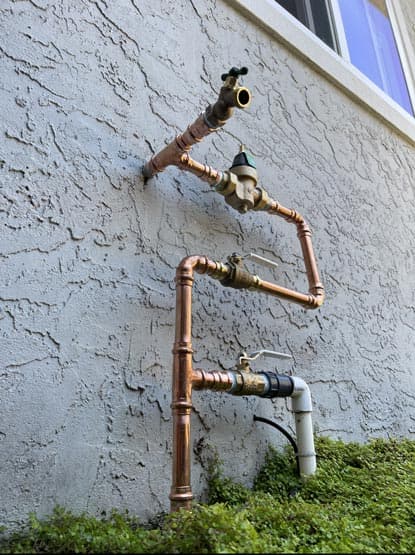
Copper pipes have long been the gold standard in plumbing due to their durability and exceptional heat conductivity. They are highly resistant to bacteria, making them a hygienic choice for water supply lines. However, there are trade-offs; copper tends to come with a higher initial cost compared to other materials. This may affect our budget, but it could also make it a target for theft because of its value. Professionals should ideally perform the soldering skills required for copper installation.
Pipes
PEX (cross-linked polyethylene) piping, which has gained popularity for being both flexible and affordable. This material is resistant to corrosion and less likely to break under extreme conditions, such as freezing temperatures. A significant advantage of PEX is that it requires fewer joint fittings, leading to fewer leak points—something we all want to avoid! However, it’s essential to note that PEX can be susceptible to UV light and may experience damage from rodents if not properly protected.
CPVC Pipes
CPVC (chlorinated polyvinyl chloride) is known for its cost-effectiveness and ease of installation. It offers excellent resistance against corrosion, making it a viable option when considering budgetary constraints. However, keep in mind that CPVC is less flexible than PEX and has a lower maximum temperature tolerance, which makes it unsuitable for hot water applications beyond a certain limit.
Understanding the properties of these commonly used materials helps us make informed decisions tailored to our unique plumbing requirements. Evaluating factors such as durability, flexibility, budget considerations, and installation practices can ensure that our choice aligns with the long-term health of our home’s plumbing system.
Costs Involved in Repiping
Repiping has a wide range of costs because of several elements that affect the overall cost. For instance, the size and layout of your home play a key role—larger homes obviously require more materials and labor.
When considering a repiping project, it’s also important to evaluate how accessible those pipes are. Pipes hidden behind walls or under floors can complicate the job, leading to higher labor costs due to the extra time and effort required to reach them.
Factors Affecting Cost
- Size and layout of your home: A two-story house generally costs more to repipe than a one-story home because of the additional materials needed for the increased height.
- Pipe accessibility: If the pipes are behind walls or embedded in concrete, special equipment may be required, contributing to more costly labor.
- Type of materials used: Various choices exist—from durable copper to flexible PEX—and their costs dramatically differ. Choosing cheaper materials could save upfront, but it may require earlier replacement down the line.
- Local labor rates: Contractors’ fees vary depending on geographic area; urban locales may charge higher rates than rural settings.
Choosing the Right Professional for the Job
Selecting the right plumber is crucial for the smooth and effective completion of our repiping project. We want someone who possesses technical skills as well as a reputation for excellent communication and customer service. It’s similar to choosing a partner for a dance; you want them to lead with confidence while allowing you to feel at ease throughout the process.
Qualifications to Look For
When we begin our search, let’s prioritize plumbers who are licensed, bonded, and insured. A valid license confirms they have undergone the necessary training; bonding protects us if something goes wrong during the project; and insurance serves as a safeguard against accidents on our property. Additionally, certifications from reputable organizations demonstrate that a plumber is committed to staying updated with industry standards and best practices.
Engaging in conversations with potential candidates about their experience with similar repiping projects is beneficial. Asking detailed questions about how they handle specific challenges allows us to gauge their knowledge and approach.
Customer Reviews and Testimonials
Reviews from past clients provide valuable insights into a plumber’s reliability and work quality. When reading reviews, pay attention not only to the ratings but also to what customers specifically praise or criticize. Making an informed choice will be much aided by this reflection.
Beyond qualifications and testimonials, it’s equally important to consider what kind of guarantees professionals offer during the process.
Service Guarantees
Choosing professionals who offer service guarantees is essential because it demonstrates accountability. At Expert Plumbing & Water Heaters, we extend offers such as $250 off on repiping services, along with a commitment to provide timely and effective service. Such guarantees give us a sense of security and assure us that they stand behind their work.
With Expert Plumbing & Water Heaters, Inc., you can trust that your repiping project will be completed efficiently and properly. Our crew recognizes the value of a well-running plumbing system and works hard to minimize disturbances to your regular routine. Whether you have regular leaks, obsolete pipes, or poor water quality, we can give a long-term solution. Contact us at 831-318-7829 today for whole-home repiping services in Santa Cruz County and enjoy the peace of mind that comes with a dependable plumbing system that will last!